
Harley-Davidson exhaust upgrads
Harley-Davidson exhaust upgrades are a popular way to change the sound, appearance, and riding character of a motorcycle. Many riders choose an aftermarket exhaust to achieve a deeper tone or give their bike a more personalized look.
However, an exhaust upgrade should not be selected based only on sound. The exhaust system works together with the engine, intake system, fuel delivery, and electronic tuning. Choosing the right setup can help maintain a good balance between performance, comfort, fuel economy, and reliability.
Before installing an aftermarket system, riders should understand how exhaust changes can affect their Harley-Davidson. The right product should match the motorcycle’s model, engine configuration, and intended use.
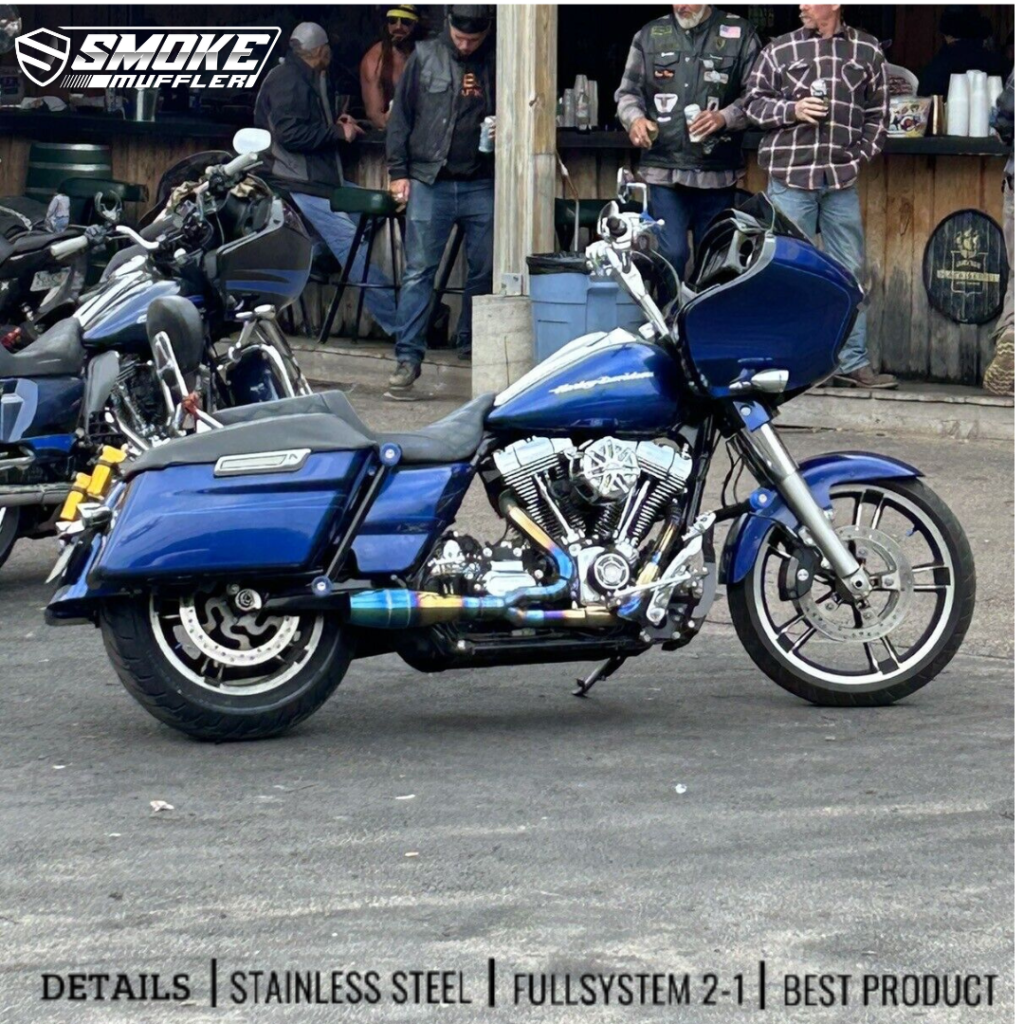
Why Riders Choose Harley-Davidson Exhaust Upgrades
Sound is one of the main reasons riders replace the factory exhaust. A deeper and more aggressive tone can give the motorcycle a stronger personality and a more customized feel.
Appearance is another important factor. Aftermarket systems are available in different shapes, finishes, and configurations, so a new exhaust can complement the overall style of the motorcycle.
Performance is also considered by some riders. Depending on the design, an aftermarket system can change exhaust flow and influence the way power is delivered.
However, a louder exhaust does not automatically mean that more horsepower has been produced. The engine, intake, exhaust, and tuning should be considered as one complete system.
How an Aftermarket Exhaust Affects Engine Performance
The exhaust system is designed to move combustion gases away from the engine. Its internal design also influences exhaust flow and the engine’s operating characteristics.
When the factory system is replaced, exhaust flow is changed. As a result, throttle response and power delivery may feel different.
Some systems are designed for stronger performance within a particular RPM range, while others are primarily developed to improve sound and appearance.
If the exhaust is not properly matched to the engine, the expected performance improvement may not be achieved. In some cases, throttle response can feel less consistent after the modification.
For this reason, an exhaust should be selected according to the specific Harley-Davidson model, engine configuration, and intended use.
Is ECU Tuning Needed After an Exhaust Upgrade?
The need for tuning depends on the motorcycle and the extent of the modifications.
Modern Harley-Davidson motorcycles use electronic engine management systems to control fuel delivery and ignition. Information from sensors is used to adjust engine operation under different riding conditions.
When the intake and exhaust systems are significantly changed, additional tuning may be recommended. A suitable calibration can help the engine operate correctly with the new components.
For example, a motorcycle with both a high-flow intake and aftermarket exhaust may require more attention to tuning than a bike receiving a simple exhaust replacement.
When several performance modifications are being installed, professional tuning should be considered. The engine can then be calibrated for the complete combination of components.
Can Exhaust Changes Affect Fuel Economy?
Fuel economy can be affected by exhaust modifications, although the results vary from one motorcycle to another.
Fuel consumption is influenced by many factors, including engine tuning, riding style, traffic conditions, intake modifications, and overall engine condition.
Some riders may use the throttle more aggressively after installing a louder exhaust. In that situation, fuel consumption can increase because of riding behavior rather than the exhaust alone.
A properly matched setup can still provide reasonable fuel economy. However, significant changes in fuel consumption should be investigated rather than ignored.
If fuel usage suddenly increases after a modification, the motorcycle should be checked and the engine calibration should be evaluated.
Are Loud Exhaust Systems Comfortable for Daily Riding?
A deeper exhaust note may be enjoyable, but excessive noise can become uncomfortable during long rides.
Constant high exhaust noise can increase rider fatigue, particularly during highway trips. Other road users and people living near busy roads may also be affected.
Noise regulations should also be considered. Requirements can vary between countries, states, and local jurisdictions, so riders should check the rules that apply to their location.
For a motorcycle used regularly on public roads, a balanced exhaust system is often more practical than an extremely loud setup.
Choosing the Right Exhaust for a Harley-Davidson
The best exhaust depends on the rider’s priorities.
If sound is the main goal, choose a system that produces the desired tone without excessive volume. A deeper sound can be achieved without necessarily choosing the loudest available option.
If performance is more important, look for a system designed for the specific engine and consider how it will work with the intake and tuning.
If appearance is the priority, the exhaust should complement the motorcycle’s design. Proper mounting, clearance, and heat protection should also be checked during installation.
Before purchasing a system, confirm compatibility with the exact model and model year. A product designed for one Harley-Davidson may not be suitable for another.
Common Exhaust Modification Mistakes
One common mistake is choosing an exhaust based only on sound.
A motorcycle may sound more aggressive after the installation, but the change does not necessarily indicate an increase in power.
Another mistake is ignoring other engine components. When the intake, exhaust, and tuning are changed together, their combined effect should be considered.
Installation quality is also important. Exhaust components should be securely mounted, and leaks should be checked after installation.
Clearance should be inspected as well. Excessive heat near wiring, body panels, or other sensitive components can create unnecessary problems.
For major modifications, professional installation is recommended. The entire system can then be inspected to ensure that it is operating properly.
Signs Your Harley-Davidson Needs an Inspection
After an exhaust modification has been completed, riders should pay attention to changes in motorcycle behavior.
The following symptoms should not be ignored:
- Poor throttle response
- Hesitation during acceleration
- Unusual engine behavior
- Significant changes in fuel consumption
- Exhaust leaks
- Excessive engine temperature
- Warning lights on the dashboard
- Noticeable loss of performance
These symptoms are not always caused by the exhaust. Problems with the fuel system, ignition system, sensors, or other engine components can produce similar signs.
If unusual behavior is noticed after installation, the motorcycle should be inspected. Early diagnosis can help prevent a minor issue from becoming more serious.
Are Harley-Davidson Exhaust Upgrades Worth It?
For many owners, an aftermarket exhaust can be a worthwhile modification.
The motorcycle can be given a deeper exhaust note, a customized appearance, and potentially different power characteristics.
However, the modification should match the motorcycle’s intended use. A touring bike, daily commuter, and performance-oriented build may each require a different exhaust setup.
The loudest system is not necessarily the best one. A well-designed exhaust can provide a distinctive sound while maintaining good drivability and comfort.
When performance is important, the exhaust should also be evaluated together with the intake system and engine tuning.
Final Thoughts on Exhaust Upgrades
Harley-Davidson exhaust upgrades can significantly change the character of a motorcycle. The sound and appearance can be transformed, while throttle response and power delivery may also be affected.
However, an exhaust should be selected carefully. Compatibility, tuning, installation quality, fuel economy, comfort, and local noise regulations should all be considered before a modification is made.
Instead of choosing a system simply because it is loud, focus on the overall balance between sound, performance, reliability, and comfort. With the right setup, riders can personalize their Harley-Davidson while maintaining its practicality for everyday use.

 Indonesian
  English