
Harley-Davidson motorcycles are famous for their distinctive exhaust note, strong V-twin performance, and iconic riding experience. However, many owners occasionally notice loud popping or banging sounds from the exhaust during deceleration, gear changes, or immediately after shutting off the engine. This condition is commonly known as backfiring.
While some riders assume backfiring is a normal characteristic of Harley-Davidson motorcycles, excessive or frequent backfires often indicate an underlying mechanical or tuning issue. Ignoring the problem can reduce engine performance, increase fuel consumption, and accelerate wear on critical components.
Understanding why your Harley-Davidson keeps backfiring allows you to diagnose the issue correctly and apply the right solution before it develops into a more serious problem.
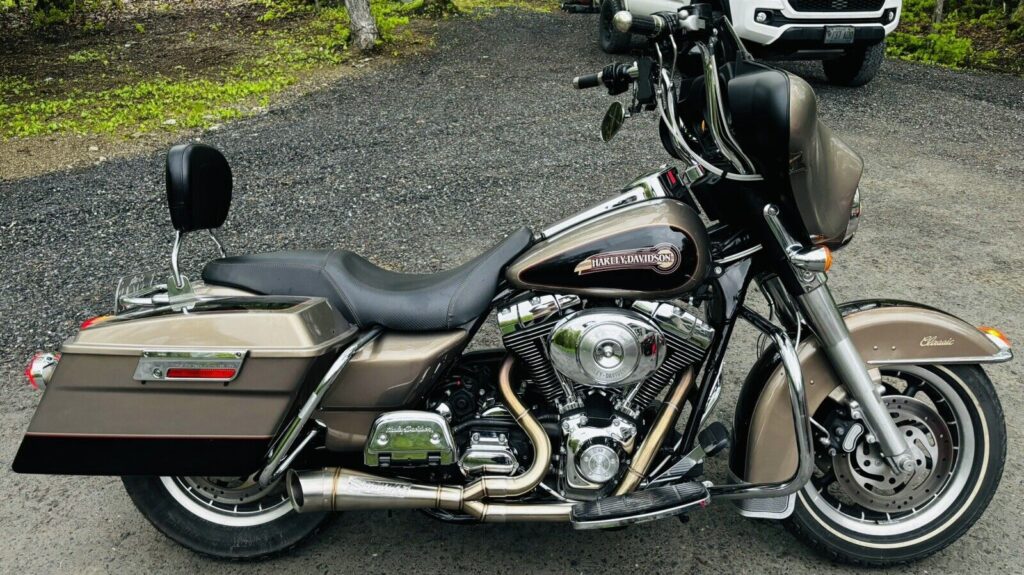
What Is Harley-Davidson Backfire?
Backfire occurs when the air-fuel mixture ignites outside the combustion chamber. On Harley-Davidson motorcycles, the popping sound usually comes from the exhaust during deceleration or when the throttle closes quickly.
There are two common types of backfire.
The first is afterfire, which happens when unburned fuel ignites inside the exhaust system. This is the most common type experienced by Harley-Davidson riders.
The second type occurs through the intake system. Although less common, it often points to ignition timing problems or significant engine issues.
A mild exhaust pop during deceleration may be normal on certain Harley models. However, loud, repeated backfires accompanied by poor performance should never be ignored.
Exhaust System Leaks
One of the most common causes of Harley-Davidson backfiring is an exhaust leak.
Over time, exhaust gaskets, header connections, clamps, and slip-on joints can loosen or wear out. When fresh air enters the exhaust through these gaps, oxygen mixes with hot, unburned fuel. The remaining fuel then ignites inside the exhaust, creating the familiar popping sound.
Common signs of an exhaust leak include:
- Popping during deceleration
- Louder or harsher exhaust noise
- A stronger exhaust smell around the engine
- Black soot around exhaust joints
Inspecting exhaust connections regularly and replacing worn gaskets can prevent this issue before it worsens.
Lean Air-Fuel Mixture
A lean air-fuel mixture is another leading cause of Harley-Davidson backfires.
This problem frequently appears after installing an aftermarket exhaust without properly tuning the ECU or fuel management system. A high-flow exhaust changes how exhaust gases leave the engine, but the stock fuel mapping often cannot compensate for the increased airflow.
As a result, combustion becomes hotter and less efficient. Some fuel remains unburned until it reaches the exhaust, where it ignites and causes backfiring.
Other symptoms of a lean mixture include:
- Higher engine temperatures
- Reduced low-end torque
- Sluggish throttle response
- White or light-colored spark plugs
A professional ECU tune or fuel remap usually restores the correct air-fuel ratio and significantly reduces backfiring.
Ignition System Problems
A healthy ignition system ensures complete combustion inside the cylinders. If any ignition component fails, incomplete combustion allows excess fuel to enter the exhaust system.
Components that should be inspected include:
- Worn spark plugs
- Incorrect spark plug gap
- Weak ignition coils
- Damaged spark plug wires
- Faulty ignition sensors
Weak spark energy prevents the fuel mixture from burning completely. Once the remaining fuel reaches the hot exhaust, it ignites and produces a backfire.
Replacing spark plugs at the recommended service interval is one of the simplest ways to prevent this problem.
Dirty Air Filter
A clogged air filter can disrupt the engine’s air intake and upset the proper air-fuel balance.
Restricted airflow forces the engine management system to operate outside its ideal parameters, resulting in unstable combustion and an increased risk of backfiring.
A dirty air filter may also cause:
- Poor fuel economy
- Reduced engine power
- Slower throttle response
- Rough engine operation
Cleaning or replacing the air filter as part of routine maintenance helps maintain consistent engine performance.
ECU Not Tuned After Modifications
Many Harley-Davidson owners install aftermarket exhaust systems to improve sound and performance. Unfortunately, some riders skip the ECU tuning process after the installation.
Modern Harley-Davidson motorcycles rely on precise sensor data and fuel mapping to maintain efficient combustion. Once the exhaust flow changes, the factory ECU settings may no longer provide the ideal fuel mixture.
This imbalance often results in frequent popping during deceleration.
A professional ECU remap or dyno tune optimizes fuel delivery, improves throttle response, and minimizes unnecessary backfiring.
Faulty Engine Sensors
Modern Harley-Davidson motorcycles use several sensors to control fuel delivery and ignition timing.
Important sensors include:
- Oxygen (O2) sensors
- MAP sensor
- Intake Air Temperature (IAT) sensor
- Engine Temperature sensor
If any of these sensors send inaccurate information to the ECU, the engine may calculate the wrong air-fuel ratio. The resulting incomplete combustion can easily trigger backfires.
Using a diagnostic scanner makes it much easier to identify faulty sensors before replacing unnecessary parts.
How to Fix Harley-Davidson Backfire
The most effective solution begins with identifying the root cause instead of replacing parts at random.
Follow these steps to eliminate backfiring:
- Inspect the entire exhaust system for leaks.
- Replace damaged exhaust gaskets.
- Clean or replace the air filter.
- Install spark plugs that meet factory specifications.
- Test the ignition system thoroughly.
- Verify that the fuel injectors operate correctly.
- Tune or remap the ECU after installing an aftermarket exhaust.
- Scan the motorcycle for sensor-related fault codes.
A systematic inspection saves both time and repair costs while ensuring the actual problem is resolved.
How to Prevent Harley-Davidson Backfire
Routine maintenance is the best way to prevent recurring backfires.
Follow these preventive practices:
- Service your motorcycle according to the manufacturer’s schedule.
- Use the recommended fuel grade.
- Check exhaust bolts after long rides.
- Replace the air filter at the proper interval.
- Tune the ECU whenever major performance modifications are made.
- Install high-quality replacement parts.
- Investigate unusual exhaust sounds as soon as they appear.
Consistent maintenance keeps the combustion process efficient while protecting engine performance over the long term.
Conclusion
Several factors can cause a Harley-Davidson to backfire, including exhaust leaks, a lean air-fuel mixture, ignition problems, clogged air filters, improper ECU tuning after modifications, and faulty engine sensors. Although occasional popping may be harmless, persistent backfires often indicate a condition that requires attention.
Identifying and fixing the root cause early helps restore smooth engine performance, improve fuel efficiency, and extend the life of critical components. With proper maintenance and accurate tuning, your Harley-Davidson can deliver the powerful performance and signature sound it was designed to provide.

 Indonesian
  English