
Riding a motorcycle in the rain requires extra caution and skill. Wet roads reduce tire grip, making it easier for the motorcycle to lose traction when braking, accelerating, or cornering. Even experienced riders can encounter a skid if they underestimate changing road conditions.
Fortunately, knowing how to handle a motorcycle skid on wet roads can significantly reduce the risk of an accident. The right riding techniques, combined with proper motorcycle maintenance, help you stay in control even when the road surface becomes slippery.
This guide explains why motorcycles skid on wet roads, what to do if it happens, and how to prevent it from occurring in the first place.
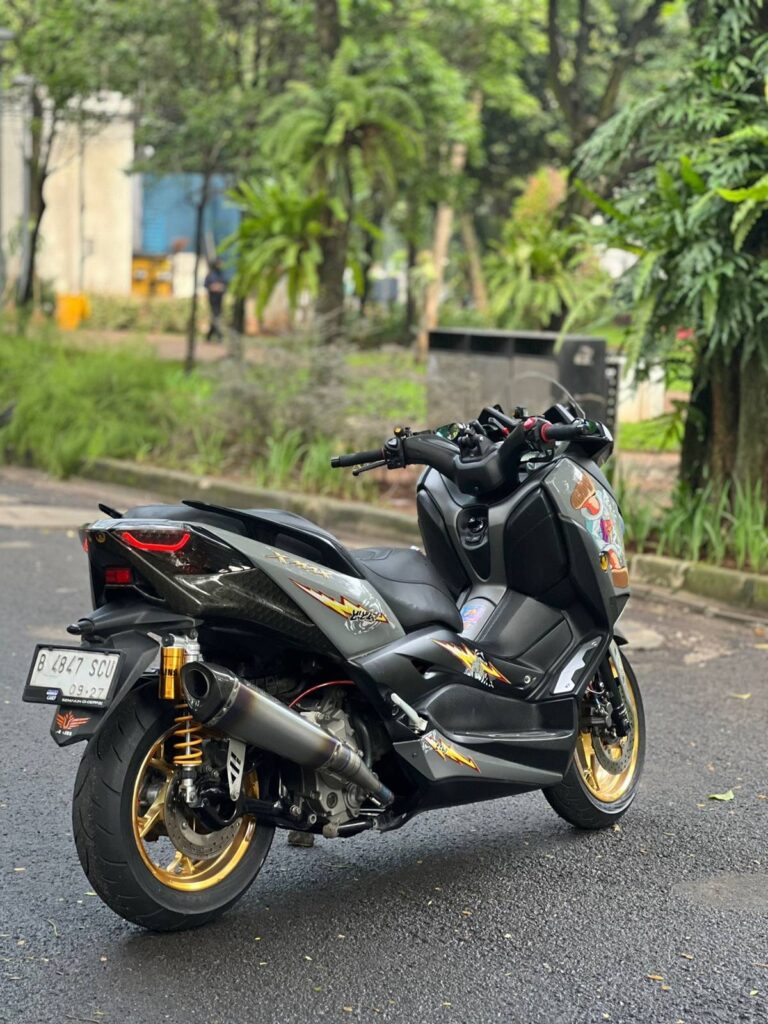
Understand Why Motorcycles Skid on Wet Roads
A motorcycle relies on tire traction to maintain stability. When rainwater covers the road surface, friction between the tires and the pavement decreases. As a result, the tires can lose their grip more easily.
Several factors increase the likelihood of a skid, including:
- Worn-out tires
- Incorrect tire pressure
- Sand or gravel on the road
- Oil spills
- Painted road markings
- Excessive speed
- Sudden braking or acceleration
The more of these conditions combine, the greater the risk of losing control.
Reduce Your Speed Early
The first step in learning how to handle a motorcycle skid on wet roads is reducing your speed before reaching slippery areas.
Many riders wait until they feel the motorcycle sliding before slowing down. Unfortunately, reacting too late leaves very little room to recover.
Instead, reduce your speed as soon as you notice standing water, shiny pavement, sharp curves, or heavy rain. Lower speeds allow your tires to maintain better traction and provide more time to react to unexpected hazards.
A slower pace also makes steering and braking much smoother.
Avoid Sudden Inputs
Abrupt rider movements often trigger a loss of traction on wet roads.
Avoid the following actions:
- Jerking the handlebars
- Snapping the throttle open
- Closing the throttle suddenly
- Braking aggressively
- Making rapid body movements
Instead, keep every control input smooth and progressive. Gentle throttle, steering, and braking help maintain tire grip and keep the motorcycle balanced.
Brake Smoothly and Progressively
Improper braking is one of the leading causes of motorcycle skids in rainy conditions.
Apply both the front and rear brakes gradually instead of grabbing the front brake all at once. Progressive braking allows weight to transfer smoothly and reduces the chance of wheel lock-up.
If your motorcycle is equipped with ABS (Anti-lock Braking System), let the system do its job during emergency braking. ABS helps prevent the wheels from locking while maintaining steering control.
For motorcycles without ABS, increase braking pressure gradually until you safely reduce your speed.
Stay Calm If the Motorcycle Starts Sliding
Panic often turns a minor skid into a serious crash.
If the rear tire begins to slide, stay relaxed and avoid making sudden steering corrections. Keep your eyes focused on where you want the motorcycle to go rather than on the obstacle or the road directly beneath you.
If the front tire loses grip, ease off the brakes slightly and allow the tire to regain traction before making further steering adjustments.
Remaining calm gives you the best chance of recovering control safely.
Maintain Proper Body Position
Your riding posture plays a major role in motorcycle stability.
When riding on wet roads:
- Sit in a relaxed position.
- Keep a light grip on the handlebars.
- Support the motorcycle with your legs when possible.
- Look ahead instead of down.
- Avoid stiffening your arms.
Before entering a corner, reduce your speed first. Lean the motorcycle gradually and avoid excessive lean angles, as they increase the risk of losing traction on slippery pavement.
Check Your Tires Regularly
Your tires are the only parts of the motorcycle that make direct contact with the road.
Ensure the tread depth remains sufficient to channel water away effectively. Bald tires dramatically increase the risk of hydroplaning, where the tires ride on top of a layer of water instead of maintaining contact with the road.
Also, check tire pressure regularly. Both overinflated and underinflated tires reduce grip and compromise handling.
Replace your tires immediately if they show excessive wear, cracks, or signs of aging.
Watch for Extra Slippery Surfaces
Not every section of a wet road offers the same level of traction.
Pay extra attention to:
- Painted lane markings
- Metal utility covers
- Railway crossings
- Wet brick or paving stones
- Fallen leaves
- Oil patches
- Loose gravel
- Mud carried onto the roadway
Slow down before reaching these surfaces and keep the motorcycle as upright as possible while crossing them.
Increase Your Following Distance
Wet roads increase braking distances significantly.
Leave at least twice as much space between your motorcycle and the vehicle ahead compared to dry conditions. This extra distance provides valuable reaction time if traffic slows unexpectedly.
Maintaining a larger safety gap also allows you to brake progressively instead of making sudden emergency stops.
Inspect Your Motorcycle Before Riding
Safe riding begins with a well-maintained motorcycle.
Before riding in rainy weather, inspect the following components:
- Tires
- Brake pads
- Brake fluid
- Suspension
- Wheel bearings
- Headlight
- Brake light
- Turn signals
Routine maintenance ensures every system performs as intended when road conditions become challenging.
Never ignore small mechanical issues, as they can quickly become major safety concerns during wet-weather riding.
Ensure Your Exhaust System Is Secure
Although the exhaust system does not directly cause a motorcycle to skid, it contributes to overall riding confidence and performance.
Make sure the exhaust is securely mounted and free from leaks. A loose or damaged exhaust can create excessive vibration, making the motorcycle feel less stable on slippery roads.
If you install an aftermarket exhaust, choose a high-quality product designed specifically for your motorcycle. A properly fitted exhaust helps maintain consistent engine performance without compromising ride stability.
Ride Defensively at All Times
Defensive riding becomes even more important during rainy weather.
Scan the road well ahead for puddles, potholes, slowing traffic, or other hazards. Anticipating changing conditions allows you to adjust your speed gradually instead of making sudden corrections.
Avoid distractions and remain fully focused on your surroundings throughout the ride.
The earlier you recognize potential dangers, the more smoothly you can respond.
Conclusion
Knowing how to handle a motorcycle skid on wet roads is an essential skill for every rider. Wet pavement naturally reduces tire grip, but proper riding techniques can significantly minimize the risk of losing control.
Reduce your speed before entering slippery areas, apply the brakes smoothly, avoid sudden movements, and maintain a relaxed riding posture. Regularly inspecting your tires, brakes, suspension, and lighting system also helps ensure your motorcycle performs safely in rainy conditions.
By combining defensive riding habits with consistent motorcycle maintenance, you can travel more safely and confidently, even when the weather takes a turn for the worse.
