
The engine is the heart of a motorcycle and plays a major role in determining performance, reliability, and riding comfort. When the engine works properly, the motorcycle can deliver consistent power, smooth throttle response, and efficient fuel consumption. However, daily use, high mileage, and poor maintenance can gradually reduce engine performance.
Many riders only pay attention to the engine after problems appear, such as unusual noises, reduced power, increased fuel consumption, or difficulty starting the motorcycle. In reality, you can prevent many of these issues by following a consistent maintenance routine.
Understanding how to keep your motorcycle engine running strong for years can help you maintain performance while reducing the risk of expensive repairs. Proper maintenance also keeps your motorcycle ready for daily commuting and long-distance trips.
Change the Engine Oil Regularly
Engine oil plays a crucial role in keeping internal components working smoothly. It lubricates moving parts, reduces friction, and helps carry heat away from critical engine areas.
Therefore, do not wait until the oil becomes extremely dirty or the engine starts feeling rough before changing it. Follow the manufacturer’s recommended oil change interval and adjust it according to your riding conditions.
Frequent riding in heavy traffic, short-distance trips, or extended operation at high temperatures can make the oil work harder. Under these conditions, you should pay closer attention to your oil change schedule.
Always use engine oil with the viscosity and specifications recommended for your motorcycle. The right oil helps the engine maintain reliable performance over the long term.
Check the Engine Oil Level
Changing the oil regularly is important, but you should also check the oil level periodically. An insufficient oil level can increase friction and heat inside the engine.
Check the oil when the motorcycle is positioned according to the manufacturer’s instructions. If the level falls below the recommended range, add oil with the correct specification.
Do not underestimate the importance of proper oil volume. Too little oil can accelerate component wear, while overfilling can also create problems within the lubrication system.
A simple oil-level check can help you identify lubrication problems before they develop into serious engine damage.
Maintain the Cooling System
An engine generates significant heat while running. Therefore, the cooling system must work properly to keep engine temperature within a safe operating range.
For liquid-cooled motorcycles, check the coolant level regularly and make sure it remains within the recommended range. Inspect the radiator, hoses, and surrounding areas for signs of leaks.
Air-cooled motorcycles rely on proper airflow to release heat. Keep the engine’s cooling fins and surrounding areas free from excessive dirt or debris.
Do not ignore unusual increases in engine temperature. Frequent overheating can reduce engine performance and accelerate internal component wear.
Clean and Replace the Air Filter
The air filter prevents dust and debris from entering the combustion chamber. When the filter becomes excessively dirty, the engine may struggle to receive enough air.
This condition can affect combustion and make throttle response feel less responsive. Over time, a severely restricted filter can also increase the engine’s workload.
Inspect the air filter according to the motorcycle’s maintenance schedule. If the filter becomes excessively dirty or can no longer provide effective filtration, clean or replace it according to its design.
Motorcycles that frequently travel on dusty roads require more frequent attention to the air filter. Keeping it clean helps the engine receive an adequate and consistent air supply.
Use Quality Fuel
Fuel quality can also affect engine condition. Use fuel that meets the manufacturer’s recommendations and matches your engine’s requirements.
The correct fuel helps maintain consistent combustion. Poor-quality or contaminated fuel can cause inefficient combustion and contribute to deposits in certain components.
Avoid mixing different types of fuel without a clear reason. If your motorcycle requires a specific octane rating, use fuel that meets that requirement.
You should also choose reputable fuel stations. This simple habit can help maintain a cleaner fuel system and support reliable engine operation over time.
Warm Up the Engine Properly
Warming up the engine can allow the oil to circulate before riding. However, you do not need to leave the motorcycle idling for an extended period.
Once the engine starts and reaches a stable condition, begin riding gently. Avoid aggressive throttle input while the engine remains cold.
Allow the engine and its components to reach operating temperature gradually. This habit reduces stress on the engine during the first part of a ride.
Also, avoid repeatedly revving a cold engine while the motorcycle remains stationary. Doing so provides little benefit and can unnecessarily increase fuel consumption and engine temperature.
Avoid Aggressive Riding Habits
Your riding style directly affects engine longevity. Frequent hard acceleration, extremely high RPMs, and constant aggressive riding can increase the workload on various engine components.
Use the throttle progressively and select an appropriate RPM range for the road conditions. When you need to accelerate, apply power smoothly instead of constantly opening the throttle fully.
You can still enjoy your motorcycle’s performance without forcing the engine to operate near its limits all the time.
A smoother riding style can also reduce fuel consumption and help engine components operate more consistently.
Check the Spark Plug
The spark plug produces the electrical spark needed to ignite the air-fuel mixture. Therefore, its condition can directly affect engine performance.
Inspect the spark plug according to the recommended maintenance schedule. Pay attention to the electrode condition and overall appearance during inspection.
A worn spark plug can cause hard starting, misfires, poor throttle response, or reduced engine performance. If the spark plug has reached the recommended replacement interval, replace it with the correct type.
Do not select a spark plug based only on its physical appearance. Make sure its heat range and specifications match your motorcycle’s engine.
Maintain the Fuel System
The fuel system must deliver a stable fuel supply to the engine. On fuel-injected motorcycles, components such as injectors and fuel pumps rely on clean and properly managed fuel.
Use appropriate fuel and avoid making a habit of running the fuel tank nearly empty. Also, pay attention to symptoms such as hesitation, rough running, difficult starting, or inconsistent throttle response.
If these symptoms appear, inspect the fuel system before the problem develops further. Early maintenance can often prevent a minor issue from becoming a more expensive repair.
Inspect the Exhaust System
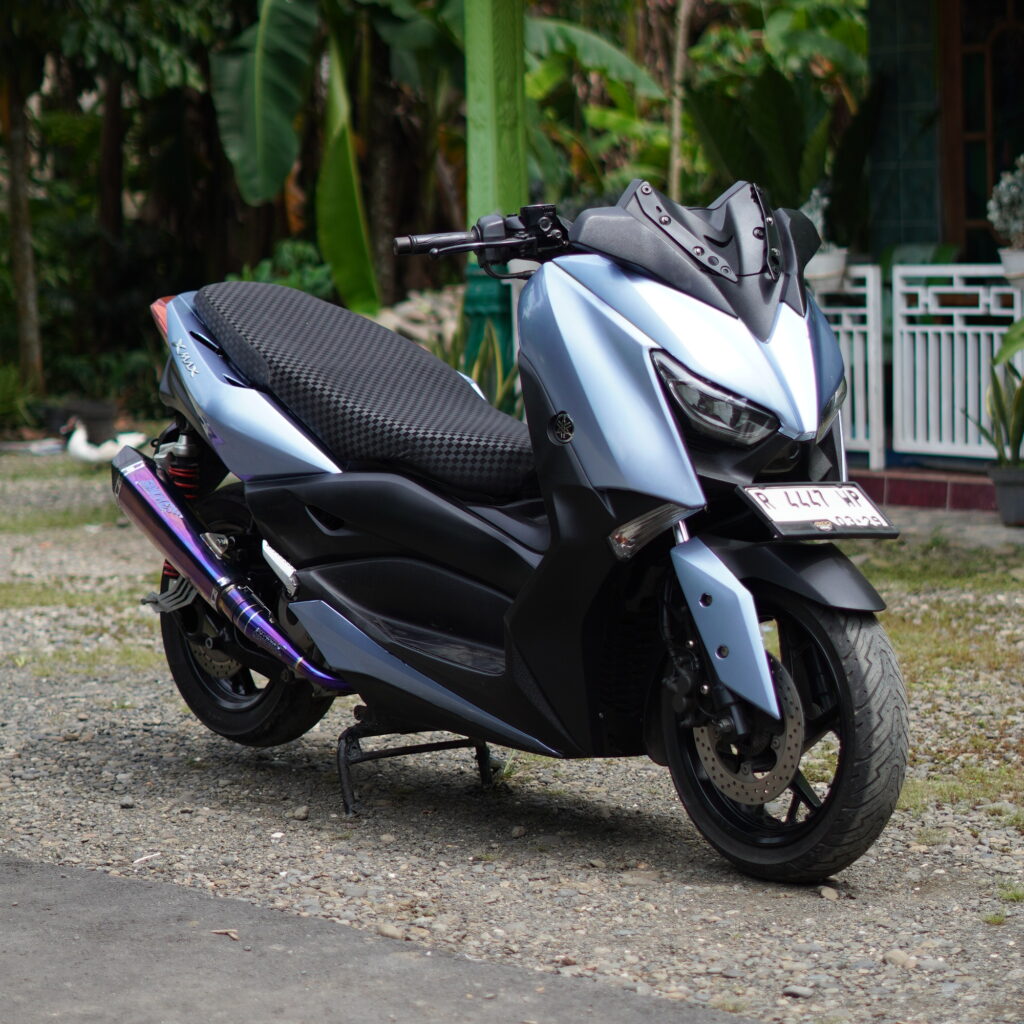
The exhaust system does more than control the motorcycle’s sound. It also manages the removal of combustion gases from the engine.
Inspect the exhaust system regularly, especially the headers, joints, gaskets, and muffler. Exhaust leaks can change the sound and affect exhaust gas flow.
If you replace the stock exhaust with an aftermarket system, choose one that matches the motorcycle’s engine capacity and characteristics. A major change in exhaust flow can affect engine response.
Therefore, do not overlook the exhaust system when performing general engine maintenance.
Pay Attention to Engine Noise and Vibration
An engine can provide warning signs when something starts going wrong. Changes in engine sound, increased vibration, or unusual throttle response can indicate that certain components require inspection.
Do not wait until the motorcycle loses significant power or becomes impossible to ride. Inspect the motorcycle as soon as you notice unusual changes.
Pay attention to when the symptoms appear and under what riding conditions. This information can help a technician identify the potential source of the problem more efficiently.
Early inspection can reduce the risk of major damage and help extend the engine’s service life.
Follow the Regular Service Schedule
Regular servicing allows you to inspect important components before they develop serious problems. In addition to oil changes, scheduled maintenance can include inspections of the air filter, spark plug, fuel system, cooling system, and other components.
Follow the maintenance schedule provided by the manufacturer. If you frequently ride under demanding conditions, you may need to pay closer attention to certain maintenance items.
Keep a record of your service history so you know when each maintenance task was last completed. This simple habit makes it easier to maintain your motorcycle consistently.
Use Your Motorcycle Wisely
Ultimately, how to keep your motorcycle engine running strong for years comes down to consistency. You do not need to wait for an engine problem before starting a proper maintenance routine.
Change the engine oil regularly, check the oil level, maintain the cooling system, clean the air filter, use suitable fuel, and inspect the spark plug. In addition, ride responsibly and follow the recommended service schedule.
Pay attention to changes in engine sound, vibration, and throttle response. The sooner you recognize a potential problem, the greater the chance of preventing more serious damage.
With consistent maintenance and responsible riding habits, a motorcycle engine can maintain reliable performance for many years. Simple maintenance practices today can help reduce repair costs while keeping your motorcycle smooth, dependable, and enjoyable to ride for the long term.
