
Effects of a Loud Exhaust on a Stock Motorcycle Engine
Using a loud aftermarket exhaust on a stock motorcycle is still a common choice among some riders. A louder sound can certainly give the motorcycle a different character. However, motorcycle owners should understand that replacing the factory exhaust with a loud aftermarket system does more than simply change the sound. It can also affect how the engine operates.
A stock motorcycle is manufactured with a combination of components designed to work together. The engine, fuel system, ignition system, and exhaust system are developed according to specific calculations and specifications. When the factory exhaust is replaced with a loud aftermarket exhaust with different characteristics, the overall system can be affected.
Using a loud exhaust may cause several effects if the owner does not adjust other components according to the engine’s requirements. Therefore, motorcycle owners should understand the potential effects of installing a loud exhaust on a stock motorcycle before making modifications.
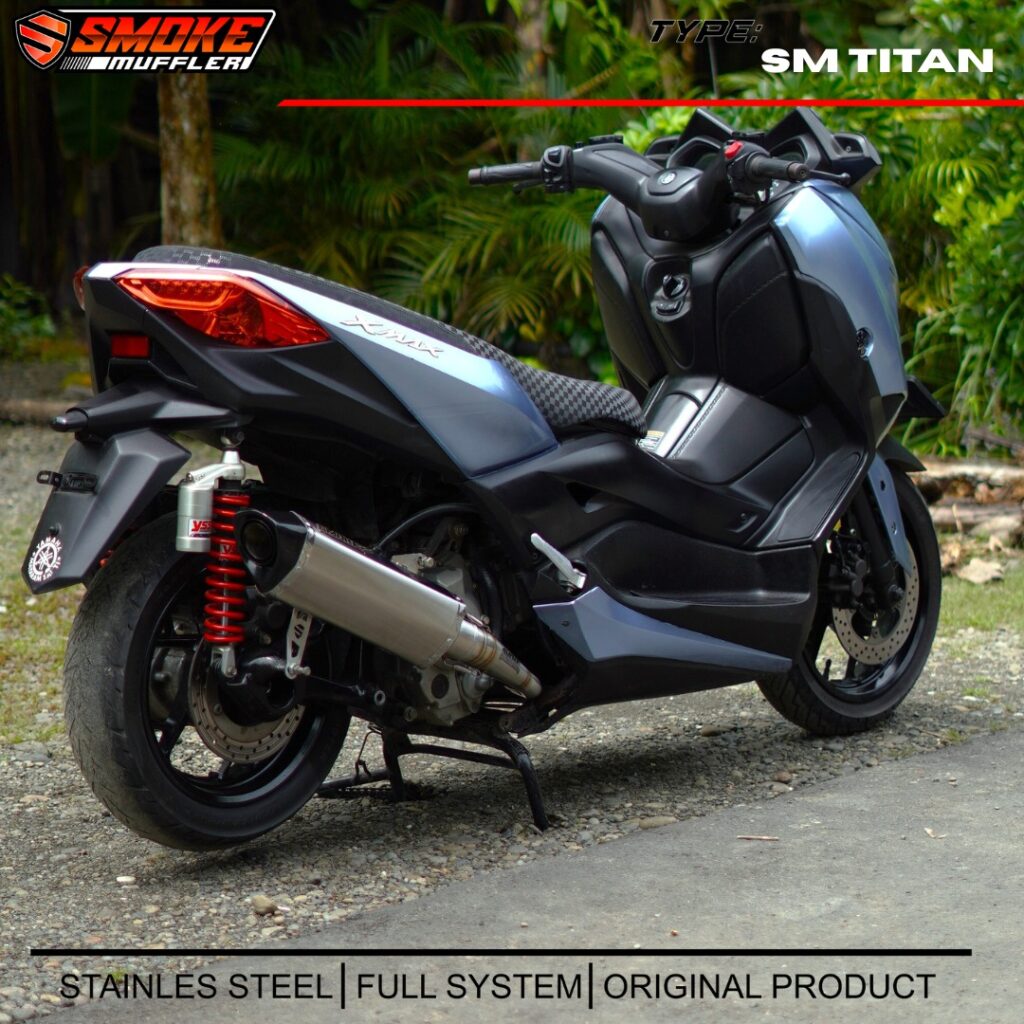
Changes the Exhaust Gas Flow Characteristics
The exhaust system is responsible for managing and directing combustion gases from the engine to the outside of the vehicle. Manufacturers design exhaust systems by considering engine characteristics, exhaust gas flow, emissions, noise levels, and riding comfort.
Loud aftermarket exhausts usually have different designs and exhaust gas flow characteristics compared with factory exhaust systems. These differences can affect exhaust pressure and gas velocity.
On a stock motorcycle, changes in exhaust gas flow can make the engine’s response feel different. Riders may notice changes in low-end acceleration, throttle response, or power delivery at certain engine speeds.
This does not necessarily mean that the engine will immediately suffer damage. However, owners should understand that the exhaust system is one of the components connected to the engine’s overall operating process.
May Reduce Engine Performance
Stock motorcycles use factory settings that are optimized for their original components. When the factory exhaust is replaced with a loud aftermarket exhaust, the characteristics of exhaust gas flow can change.
Under certain conditions, these changes can make the engine feel less optimized than before. The motorcycle may have a different acceleration response, altered throttle behavior, or an uneven power delivery at certain engine speeds.
This is more likely to occur when the owner only replaces the exhaust without considering the fuel system and other supporting components.
Therefore, motorcycle owners should not assume that a louder exhaust automatically produces more power. Engine performance still depends on how well all of the components work together.
May Affect Fuel Consumption
Replacing the exhaust can also affect fuel efficiency, especially when changes in exhaust gas flow influence the engine’s combustion characteristics.
Motorcycles with fuel-injection systems use an ECU and various sensors to regulate engine parameters according to operating conditions. When the exhaust system is modified, the engine management system may respond to the changes within the limits of its available adjustment range.
If the motorcycle is modified excessively without proper tuning, fuel consumption may change. The engine may require more fuel to achieve a particular performance characteristic.
However, the effects can vary between motorcycles because each engine has a different design and control system. Therefore, owners should evaluate the actual condition of the motorcycle rather than judging the effects solely from the sound of the exhaust.
May Cause Unstable Engine Symptoms
Using a loud aftermarket exhaust on a stock motorcycle can also result in certain symptoms when the exhaust system is not well matched to the engine.
The owner may notice reduced responsiveness, unstable engine speed, or changes in throttle response. Under certain conditions, the motorcycle may also experience hesitation or jerking when the throttle is opened within a particular RPM range.
These symptoms are not necessarily caused by the exhaust alone. Problems with the spark plug, injector, air filter, sensors, or fuel system can produce similar symptoms.
Therefore, owners should not immediately conclude that the exhaust is the only cause. A thorough inspection should be performed to identify the actual source of the problem.
May Increase Engine Temperature Under Certain Conditions
Changes to the exhaust system can affect the way the engine operates. Under certain conditions, an inappropriate setup can cause the combustion process to operate less efficiently.
When an engine operates outside its ideal conditions, its operating temperature can change. If the owner continues riding while ignoring the symptoms, some engine components may experience additional stress.
However, it is important to understand that a loud exhaust does not automatically cause the engine to overheat. Many other factors can increase engine temperature, including cooling-system problems, insufficient coolant, degraded engine oil, or excessive vehicle use.
Therefore, owners should assess the motorcycle as a whole before determining the cause of increased engine temperature.
Can Affect Riding Comfort
Besides changing the engine’s characteristics, a loud aftermarket exhaust also produces significantly more noise than a factory exhaust system.
The louder sound may provide a different experience for the owner. However, excessive noise can reduce riding comfort, especially during long trips.
Riders should also consider the comfort of other people around them. Excessively loud exhaust noise can disturb other road users, nearby residents, and the surrounding environment.
For this reason, motorcycle owners should consider the overall function of the vehicle. A daily-use motorcycle should ideally provide comfortable riding, stable performance, and a reasonable noise level.
Risks of Improper Modification
A loud exhaust is only one part of a motorcycle modification. Problems can arise when owners make changes without considering compatibility with other engine components.
Owners of stock motorcycles should not focus solely on producing a loud sound. They should also consider the material quality, pipe design, pipe diameter, muffler system, and compatibility of the exhaust with the engine’s characteristics.
If you want to install an aftermarket exhaust, choose a product designed for your motorcycle’s type and engine capacity. Have it installed by a mechanic who understands exhaust systems so that the modification does not interfere with other components.
This approach can help owners achieve the desired sound and appearance without compromising engine condition.
Check the Engine Condition After Replacing the Exhaust
After replacing the factory exhaust, owners should pay attention to any changes in the motorcycle. Monitor throttle response, engine sound, fuel consumption, operating temperature, and the condition of the warning indicators.
If the motorcycle shows unusual symptoms, have it inspected as soon as possible. Do not continue riding if serious symptoms occur, such as a significant loss of power, overheating, or an illuminated engine warning light.
Early inspection can help prevent a minor problem from developing into a more serious one. A mechanic can also determine whether the exhaust system being used is appropriate for the motorcycle’s engine characteristics.
Choose an Exhaust Suitable for a Stock Motorcycle
Owners of stock motorcycles do not necessarily need to avoid all aftermarket exhaust systems. The most important consideration is choosing a product that matches the motorcycle’s requirements and engine characteristics.
If you want to change the motorcycle’s sound, choose an exhaust that still takes comfort, performance, and engine function into account. Avoid choosing a product simply because it produces the loudest sound.
You can also consider an exhaust system that provides a deeper and fuller sound without producing excessive noise.
With the right choice, owners can modify the motorcycle’s appearance and sound characteristics without neglecting performance, comfort, and long-term maintenance.
Conclusion
A loud aftermarket exhaust can change the sound and exhaust characteristics of a stock motorcycle. These changes may also affect acceleration, throttle response, fuel consumption, and riding comfort when the exhaust system is not properly matched to the engine.
However, the exhaust is not the only factor that determines engine condition. Owners should also pay attention to the fuel system, ignition system, cooling system, engine oil, and other components.
If you want to replace the factory exhaust, choose a product that matches the motorcycle’s type and intended use. Make sure it is installed correctly and monitor the engine’s condition after the modification.
By considering component compatibility, motorcycle owners can enjoy a different exhaust sound without compromising engine performance, riding comfort, or long-term maintenance.
