
Harley-Davidson has built its reputation around iconic V-twin engines that deliver unmistakable sound, strong low-end torque, and a unique riding experience. Among the brand’s most popular powerplants, the Twin Cam and Milwaukee-Eight engines stand out as two generations that enthusiasts frequently compare.
Whether you’re shopping for a used Harley-Davidson or considering an upgrade, understanding the differences between these engines can help you make a smarter decision. While the Twin Cam represents Harley’s classic engineering approach, the Milwaukee-Eight introduces modern technology without sacrificing the brand’s signature character.
This guide explores the Harley Twin Cam vs. Milwaukee-Eight comparison, covering engine design, performance, cooling systems, comfort, fuel efficiency, maintenance, and which engine best suits different riding styles.
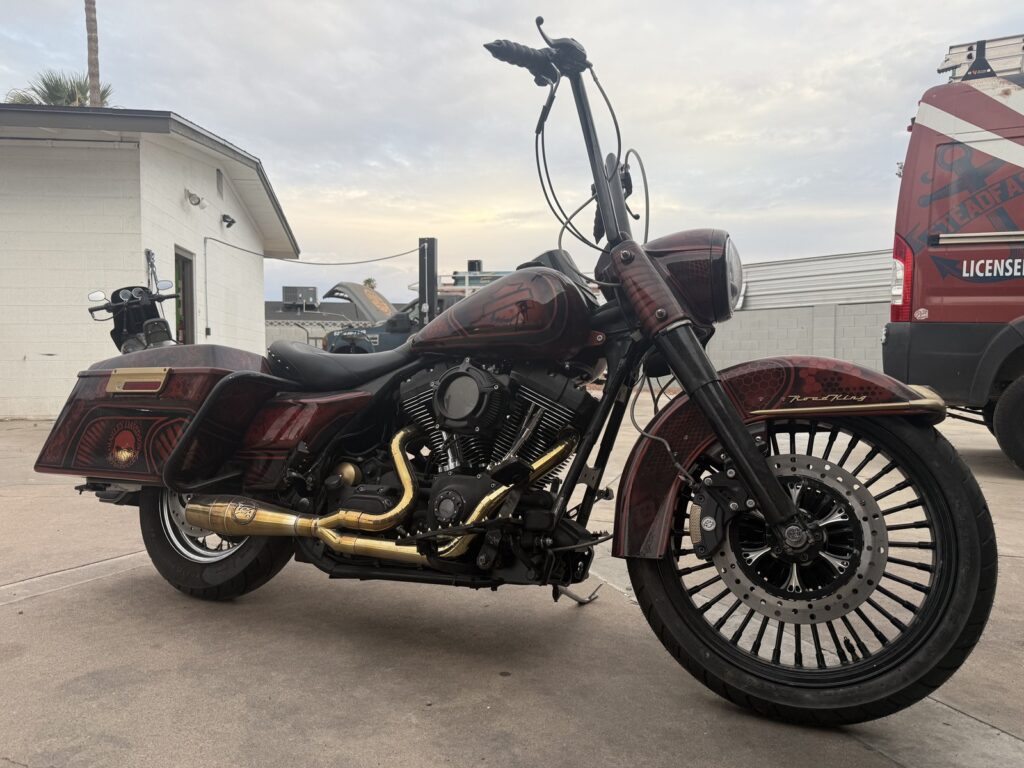
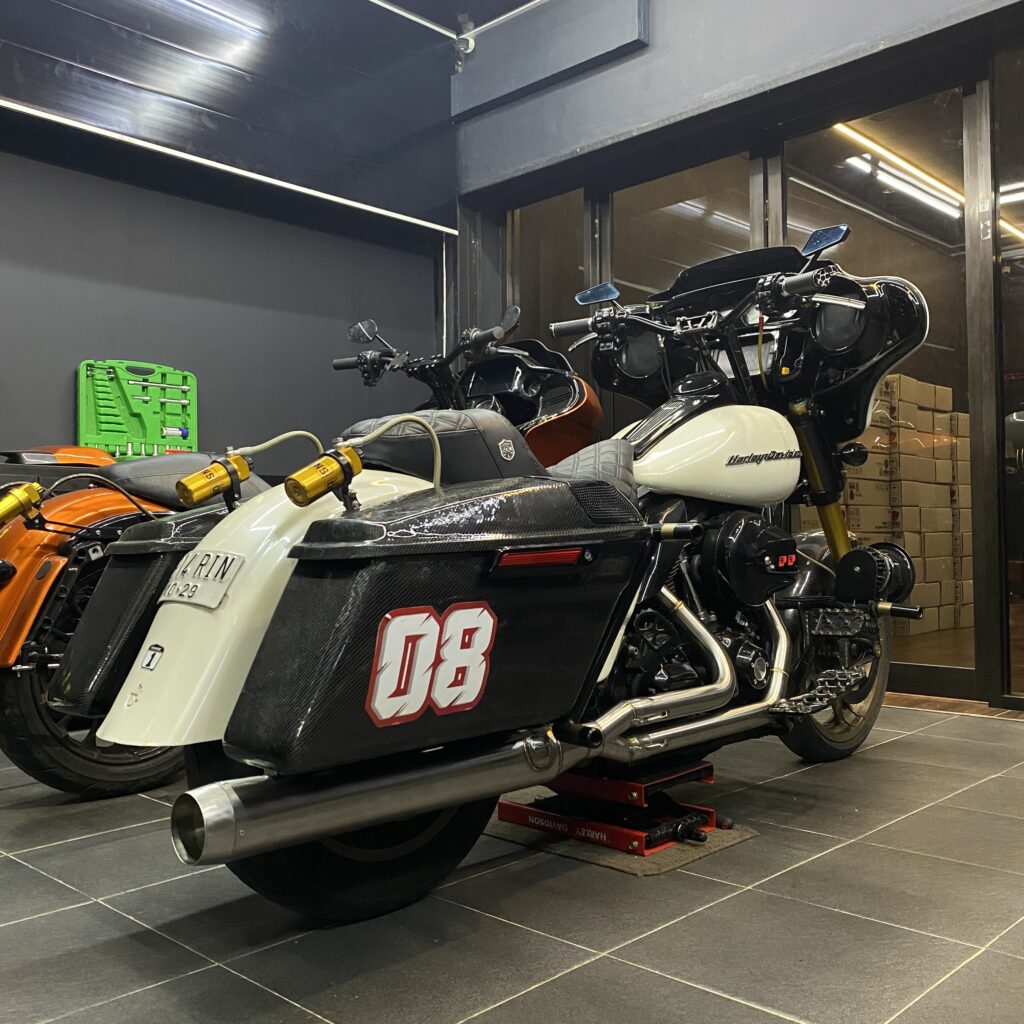
Engine History
Harley-Davidson introduced the Twin Cam engine in 1999 as the successor to the Evolution engine. It featured stronger crankcases, improved lubrication, and increased displacement, making it more powerful while maintaining the traditional Harley feel.
For nearly two decades, the Twin Cam powered a wide range of Harley-Davidson motorcycles, including Touring, Dyna, Softail, and CVO models. During its production run, it also became one of the most popular Harley engines for aftermarket performance upgrades.
In 2017, Harley-Davidson launched the Milwaukee-Eight engine as the next generation of Big Twin powerplants. The name “Milwaukee” honors the company’s hometown, while “Eight” refers to its eight valves—four per cylinder.
The new platform focused on delivering higher performance, smoother operation, improved cooling, lower emissions, and greater rider comfort.
Cylinder Head Design
One of the biggest differences between the two engines lies in the cylinder heads.
The Twin Cam uses two valves per cylinder, for a total of four valves. This traditional setup has proven reliable over many years and remains easy to service.
The Milwaukee-Eight, on the other hand, features four valves per cylinder, giving it eight valves in total. The additional valves allow more air and fuel into the combustion chamber while improving exhaust flow.
As a result, combustion becomes more efficient, allowing the engine to produce more power while improving throttle response and overall performance.
Performance Comparison
When it comes to power delivery, both engines provide the strong low-end torque Harley riders expect.
The Twin Cam produces a raw, mechanical feel with plenty of torque available at lower RPMs. Many riders appreciate its classic personality, especially during relaxed cruising and highway touring.
The Milwaukee-Eight builds upon that foundation by delivering stronger acceleration throughout the rev range. The engine feels smoother while producing more usable power, making passing maneuvers and two-up riding easier.
Throttle response also improves noticeably, giving riders quicker acceleration without sacrificing the signature Harley experience.
Cooling System
Harley-Davidson made significant improvements to engine cooling with the Milwaukee-Eight.
Most Twin Cam engines rely primarily on air cooling, although some Touring models incorporate oil or partial liquid cooling to help regulate cylinder head temperatures.
The Milwaukee-Eight comes in several cooling configurations, including:
- Air-Cooled
- Oil-Cooled
- Twin-Cooled (air and liquid combined)
These options allow the engine to maintain more consistent operating temperatures, particularly in heavy traffic, hot climates, or during long-distance touring.
Lower engine temperatures also improve rider comfort by reducing heat around the legs and seat.
Engine Vibration
Engine vibration has always been part of Harley-Davidson’s identity.
The Twin Cam produces a stronger mechanical pulse, especially at idle. Many Harley enthusiasts enjoy this traditional character because it delivers the authentic V-twin experience.
The Milwaukee-Eight retains the signature Harley rumble while significantly reducing unwanted vibration through redesigned internal components and improved engine mounting.
The result is a smoother ride without losing the personality riders expect from a Harley-Davidson motorcycle.
Fuel Efficiency
Modern combustion technology gives the Milwaukee-Eight an advantage in fuel economy.
Its four-valve cylinder heads improve airflow, while updated electronic fuel injection optimizes the air-fuel mixture more precisely than previous generations.
The Twin Cam remains reasonably efficient for a large-displacement V-twin, but the Milwaukee-Eight generally delivers better fuel mileage under similar riding conditions.
For riders who frequently take long road trips, the improved efficiency can reduce fuel stops and extend riding range.
Riding Comfort
Comfort was one of Harley-Davidson’s primary goals when developing the Milwaukee-Eight.
The newer engine produces less vibration through the handlebars, floorboards, and seat while maintaining the deep exhaust note Harley riders love.
Improved cooling also helps minimize heat transfer to the rider, making long rides more enjoyable during warm weather or stop-and-go traffic.
The Twin Cam, by comparison, offers a more mechanical and engaging riding experience. Many experienced Harley owners appreciate its traditional feel and the stronger connection between rider and machine.
Ultimately, comfort preferences depend on individual riding style.
Aftermarket Performance Potential
Both engines offer excellent opportunities for customization.
The Twin Cam has one of the largest aftermarket support networks in the Harley community. Performance camshafts, intake systems, pistons, throttle bodies, exhaust systems, and tuning solutions are widely available at various price points.
The Milwaukee-Eight also enjoys strong aftermarket support, with manufacturers continuously developing new performance upgrades as its popularity grows.
With proper tuning and quality components, both engines can achieve impressive performance gains while maintaining reliability.
Maintenance and Reliability
Both engines have earned reputations for durability when owners follow recommended maintenance schedules.
The Twin Cam features a relatively straightforward design, and experienced Harley technicians are familiar with servicing it. Replacement parts remain readily available worldwide.
Although the Milwaukee-Eight incorporates newer technology, routine maintenance remains simple. Regular oil changes, air filter inspections, spark plug replacement, and cooling system checks help keep the engine performing at its best.
Neither engine presents significant maintenance challenges when properly cared for.
Who Should Choose the Twin Cam?
The Twin Cam is an excellent choice for riders who:
- Prefer a classic Harley-Davidson riding experience.
- Enjoy stronger engine vibration and mechanical character.
- Plan extensive aftermarket modifications.
- Want a more affordable used Harley.
- Appreciate traditional Big Twin engineering.
Its timeless personality continues to attract riders who value heritage and simplicity.
Who Should Choose the Milwaukee-Eight?
The Milwaukee-Eight is better suited for riders who:
- Want the latest Harley-Davidson engine technology.
- Prefer smoother acceleration and improved comfort.
- Frequently ride long distances.
- Value better fuel efficiency.
- Appreciate lower operating temperatures and refined performance.
It successfully combines modern engineering with Harley’s unmistakable V-twin identity.
Conclusion
The Harley Twin Cam vs. Milwaukee-Eight comparison comes down to traditional character versus modern refinement. The Twin Cam delivers the raw mechanical feel, classic vibration, and extensive aftermarket support that many longtime Harley enthusiasts appreciate. Meanwhile, the Milwaukee-Eight offers more horsepower, improved airflow, enhanced cooling, smoother performance, better fuel efficiency, and greater long-distance comfort.
Neither engine is objectively better for every rider. If you value Harley-Davidson’s classic personality and enjoy a more engaging mechanical experience, the Twin Cam remains an outstanding option. However, if you prioritize performance, comfort, reliability, and modern engineering, the Milwaukee-Eight is the stronger choice. Understanding these differences will help you select the engine that best matches your riding style and long-term expectations.
